

General Renovation and Painting Work
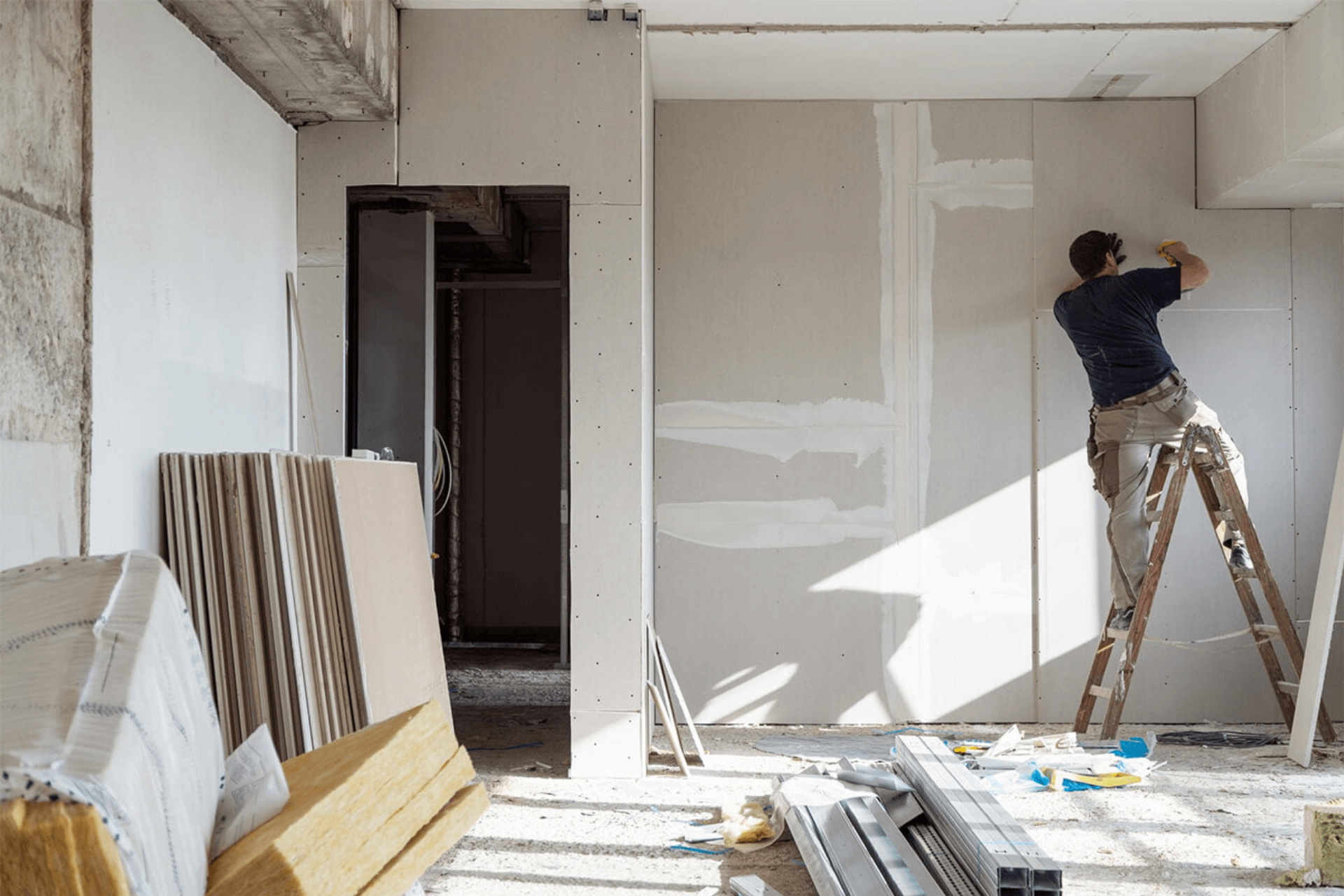
General Renovation and Painting Work
Yapıtek in Kayseri renovates homes and workplaces with painting and renovation, creating modern, functional spaces.
General construction works include all building, renovation, and reinforcement processes that extend from the foundation to the roof of a structure. From residential buildings to commercial properties, industrial facilities to social spaces, general construction services play a fundamental role in the creation and development of all types of buildings. When properly planned and professionally executed, construction works ensure that structures are safe, durable, and long-lasting. They also contribute to achieving results that meet aesthetic and functional expectations.
What Are General Construction Works?
General construction works refer to all technical and practical activities carried out to build, renovate, or repair a structure. This scope includes structural works, finishing works, reinforced concrete applications, masonry, plastering, screed, roofing, and exterior facade works. The primary objective of general construction is to deliver safe, solid, and project-compliant buildings. This process involves not only physical construction stages but also planning, coordination, and supervision.
Which Areas Do General Construction Works Cover?
General construction works cover a broad range of applications. Residential housing, apartment complexes, villas, office buildings, retail spaces, factories, and social facilities all fall within this scope. Renovation, strengthening, and refurbishment of existing buildings are also considered part of general construction services. Each project involves different techniques and solutions based on its intended use and technical requirements.
How Is the General Construction Process Planned?
A successful general construction process begins with detailed and accurate planning. In the initial phase, architectural drawings, structural calculations, and technical specifications are prepared. This is followed by budget and timeline planning. Material procurement, workforce organization, and work sequencing are then defined. Effective planning prevents delays, cost overruns, and unexpected challenges during construction.
Structural Construction Works
Structural construction is the most critical phase, as it forms the load-bearing system of a building. Foundation excavation, reinforced concrete works, columns, beams, and slab construction are carried out during this stage. The strength and safety of a structure largely depend on the quality of structural construction. Therefore, the use of standard-compliant concrete, steel reinforcement, and construction materials is essential. Errors made during this phase can lead to serious structural issues in the future.
Finishing and Completion Works
Finishing works determine both the functionality and appearance of a building. Masonry, plastering, screed application, tiling, and flooring works are completed at this stage. Door and window installation, painting, and decorative elements are also part of finishing works. Since finishing works define the final look of a building, workmanship quality is extremely important. Proper execution ensures durability and visual appeal.
Materials Used in General Construction Works
The quality of materials used in general construction works directly affects building safety and longevity. Concrete, steel reinforcement, bricks, aerated concrete blocks, insulation materials, and finishing products are among the most commonly used components. All materials must comply with standards and be properly certified. The use of substandard materials may result in early deterioration and increased maintenance costs.
Occupational Safety in General Construction Works
Occupational safety is one of the most important aspects of general construction projects. Construction sites pose various risks, and accidents can lead to serious consequences. Therefore, strict safety measures must be implemented. The use of personal protective equipment, proper site organization, and adherence to safety regulations are essential. A strong focus on occupational safety protects workers and ensures smooth project progress.
Time and Cost Management in General Construction Projects
Time and cost management are critical factors in the success of general construction projects. With effective planning and coordination, projects can be completed within the designated timeframe. Reducing material waste, optimizing labor efficiency, and minimizing application errors help control costs. Professionally managed projects offer significant advantages in terms of budget control and financial predictability.
Quality Control and Inspection in General Construction
Quality control is a continuous process that must be applied at every stage of general construction. Regular inspections ensure that all works comply with project specifications and standards. Concrete testing, dimensional checks, and workmanship inspections help identify potential issues at an early stage. Quality control practices guarantee structural safety and long-term performance.
Advantages of Professional General Construction Services
General construction works require extensive technical knowledge and experience. Professional services offer benefits such as accurate planning, high-quality material selection, and skilled workmanship. Projects carried out by experienced teams deliver reliable results both structurally and aesthetically. In addition, professional general construction services ensure compliance with regulations and provide long-term value for property owners.